

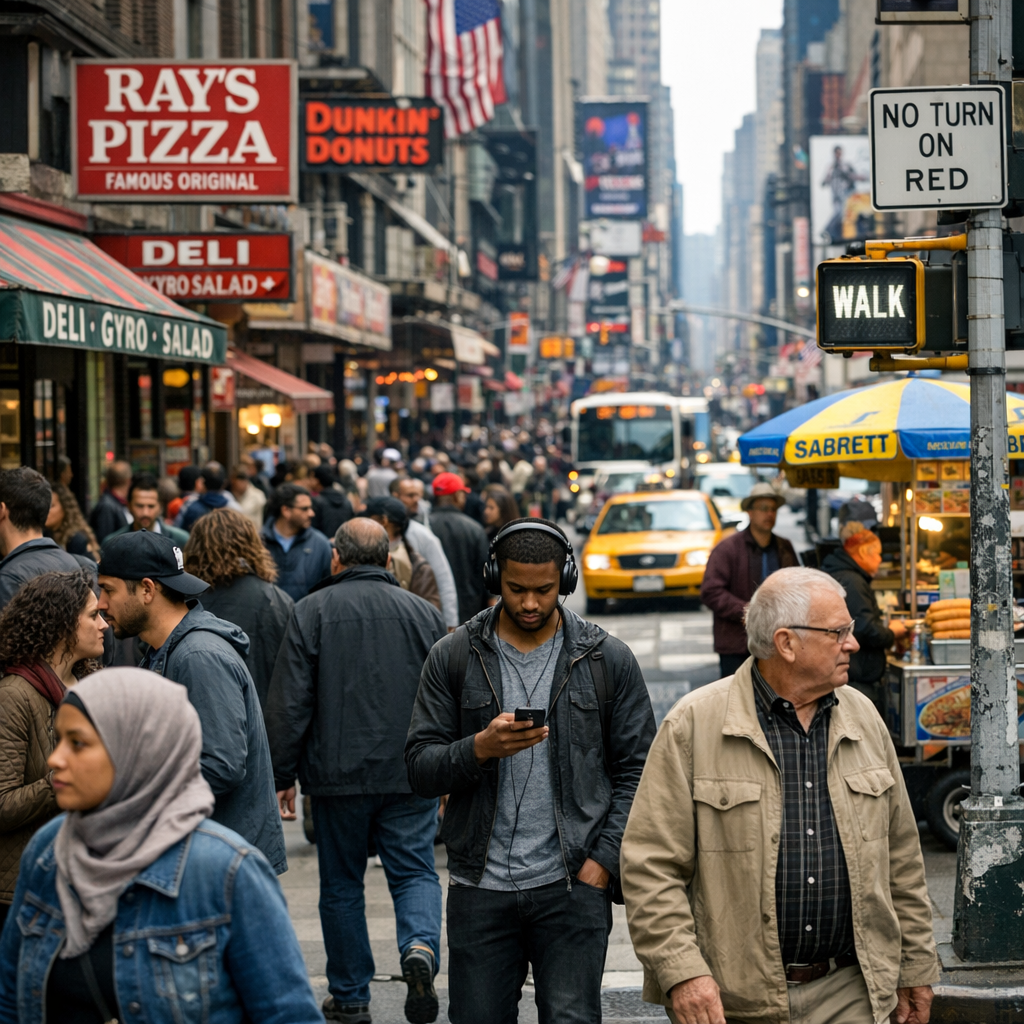
The U.S. economy has demonstrated resilience and moderate growth in recent quarters. In the first quarter of 2026, real gross domestic product (GDP) increased at an annual rate of 2.0%, rebounding from a 0.5% growth in the previous quarter, which was affected by a federal government shutdown. This growth was driven by investment, exports, consumer spending, and government spending. Imports, which are a subtraction in the calculation of GDP, also increased. Source
Employment figures have also been positive. In April 2026, the economy added 115,000 jobs, surpassing economists’ expectations of 65,000, while the unemployment rate remained steady at 4.3%. The health care sector led job creation with 37,000 new jobs, continuing its consistent growth trend. This employment resilience underscores the labor market’s stability. Source
However, challenges remain. Consumer spending slowed to 1.6% in the first quarter, with declines in both goods and services expenditures, reflecting financial pressures on middle and moderate-income households. Additionally, residential investment dropped for the fifth consecutive quarter, down 8%. Source
Looking ahead, the economy is expected to maintain moderate growth, with GDP growth projected to hover around 2.1% annually through 2027. While certain sectors like health care and artificial intelligence continue to drive growth, ongoing geopolitical tensions and domestic policy decisions will play significant roles in shaping the economic landscape. Source