

By Lindsay Miller
Participation is on the Rise
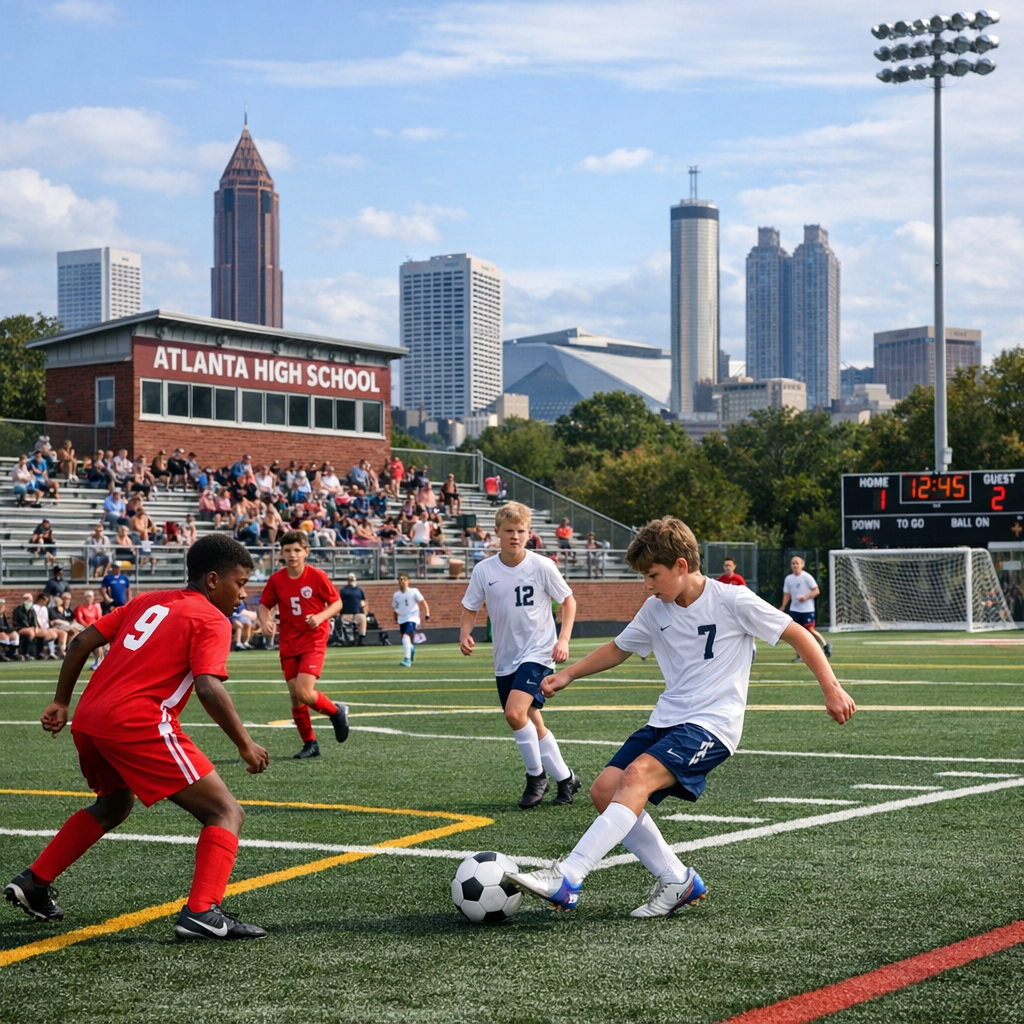
Recent reports show that in 2025, participation in team sports in the U.S. reached a new high—92.3 million people age 6 and up. Outdoor soccer and basketball were among the sports seeing significant growth nationally. These shifts reflect not just a change in what sports are popular, but in why people are getting off the sidelines. The motivations: fun, staying active, social connection, and community—competition ranks further down the list. These are national trends, but they echo what we’re seeing in Atlanta’s high schools and youth leagues.
Coaching Resources Under Pressure
On the flip side, the number of youth team sport coaches has dropped for the third straight year— from about 8.4 million in 2022 to 6.9 million in 2025. That means more players per coach, stressing individual attention and quality of instruction. For many Atlanta programs, especially in regions with fewer resources, this has meant reliance on volunteers and parents to fill gaps.
Emerging Sports and Diversified Engagement
Traditional football, basketball, baseball, and hockey remain anchors, but there’s growing interest in games that offer flexibility and social engagement: flag football, 3×3 basketball, pickleball, and similar sports are expanding rapidly. This diversification is partially driven by younger generations who prefer shorter matches, inclusive participation, and more accessible options.
What This Means Locally in Atlanta
Atlanta Public Schools offers a wide range of sports—from football and wrestling to e-sports and riflery—at both middle and high school levels, giving students many options to try different things. Fulton County Schools similarly emphasizes diversity in offerings and supports Title IX compliance so both boys and girls have equitable opportunities. High schools like Maynard H. Jackson and Douglass are fielding strong programs in both popular and less traditional sports—Ultimate Frisbee, riflery, and girls’ flag football among them.
Challenges and Opportunities
With participation up, schools and leagues have to stretch facilities, budgets, and schedules. Declining coach numbers can strain teams and impact mentorship and safety. Local athletic departments may need to invest more in coach recruitment, training, and retention.
But this moment also presents opportunity. New interest in emerging sports can lead to investments in infrastructure—making gyms, fields, and courts more accessible. Greater diversity in sports can expand community involvement and support holistic student development.
Looking Ahead
For Atlanta’s sports community—students, parents, coaches—this is a time of transition. Priorities like ensuring enough trained coaches, preserving equity across title programs, and embracing new sports will shape whether growth is sustainable. If we lean into these opportunities, the increase in participation could lead to stronger programs, deeper community ties, and more young people finding joy, health, and teamwork through sport.